#WomenEd Celebrates 5 Years on Twitter!

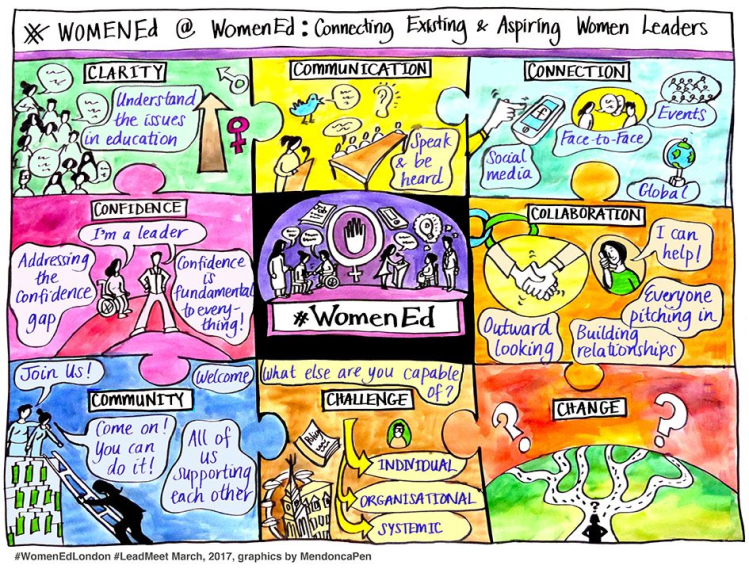
#WomenEd is celebrating 5 years of being on an online community and on Twitter today. We have held an annual unconference each October in 2015 (London), 2016 (Reading), 2017 (Sheffield), 2018 (Burton on Trent) and 2019 (Sheffield). So I am going to reflect in 5s on some of the things I have learned and gained from being part of this fabulous community.  It seems like a distant memory since we sat down to pen the #WomenEd vision, values and mission statement and Pen Mendonca created this graphic to capture them.
womened 2

5 Reflective Questions:

Who knew in April 2015 what we were creating as we chatted on StaffRm about Gender Equality? Who knew in May 2015 as 7 of us met for a cup of tea at the Hilton in Bracknell the  scale of the community we would co-create? Who knew as we tweeted out in June 2015 that Microsoft would partner with us and host our launch event? Who knew in October 2015 what a special space we were going to create for voices to be heard and stories to be shared? Who knew 5 years on how much the community would collectively achieve and supportive they would be of one another?

5 Fond Memories:

My last 5 years have been punctuated by so many events and gatherings it is hard to pick just 5 but here goes: our 1st Unconference will always be special as it was the first time the community came together and we got to hear Sue Cowley sing. The residential I co-organised with Kristian Still gave us the opportunity to eat, drink and have longer to connect and talk. Sharing my journey at Annemarie Williams’ Leicester #LeadMeet was a turning point for me in sharing and owning my own story. Organising Breaking the Mould and curating an amazing line up of phenomenal women who each shared how they had create a woman shaped mould, is still one of my favourite events to date. Co-launching #WomenEd Canada in the Rockies with Carol Campbell who got the whole conference, men and women included, to do the Power Pose was an exhilirating few days in the mountains with global leaders. Writing the first chapter for our first collective voice book makes some of the dream-like memories seem more real!
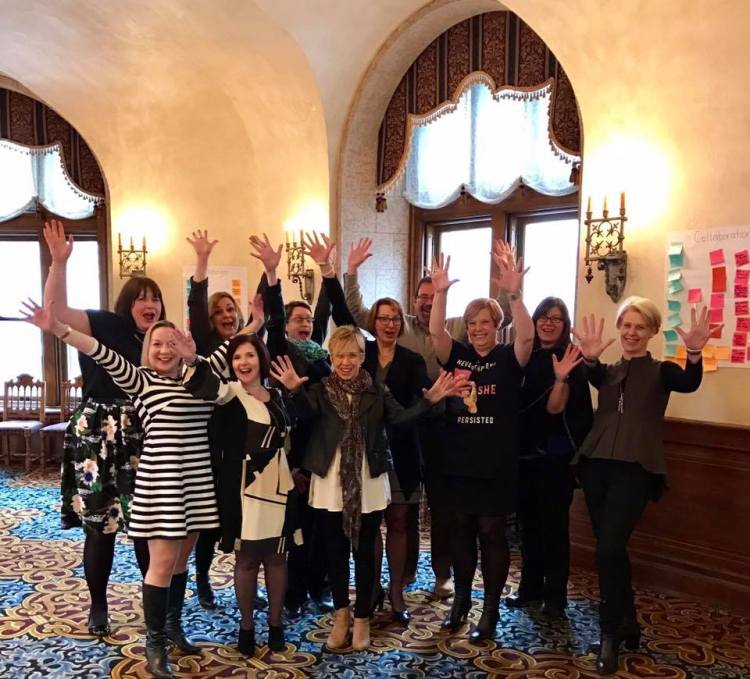
me ulead canada 2

5 Wise Women:

I have met so many people through #WomenEd it is hard to spotlight just 5 but I feel very lucky to have connected with people who have helped me navigate the last 5 years. I had a twitter crush on Jill Berry before I first met her at #ResearchEd York, she has been a central part of #WomenEd since the beginning and has been one of my guiding lights through tricky waters, she has since become a friend and I enjoy our 3 way chats with Shirley Drummond which are always punctuated with Prosecco and giggles. I met Carol Jones at the first unconference, and I joined the Leading Women’s Alliance events that she and others created, we were reconnected on my Ambition School Leadership NPQH residential and spent a hilarious night drinking wine and talking deeply into the early hours about life, she has been a friend and someone who checks in on my regularly ever since. I also met Karen Giles through my NPQH, she was one of our impressive facilitators, but her quiet, graceful energy struck me. We are opposites in many ways, she is the Yin to my Yang, but we have a firm friendship based on mutual respect and understanding, we challenge each other with kindness. Annemarie Williams and Kathryn Morgan, come as one, as they are my ‘wing women’.  Annemarie and I met at the very first event, and our friendship has grown over the years, it has taken us to Barcelona, Helsinki and Norfolk on girly holidays. I met Kathryn on a hilarious train trip with Bukky and Pran on the way back from the ShapingCPD event in Cambridge organised by IRIS. The 3 of us had a lovely trip to The Gower together last May half-term, and Kathryn and I shared our Action Aid adventure to Mozambique. Angie Browne has become a firm friend since we met at #WomenEd Bristol and were introduced by a mutual friend. True to her word she has nourished me with our soul-sister friendship.

5 Doors That Have Been Opened:

I am not often star struck but meeting some of my heroes and sheroes over the last few years has definitely been a highlight. Sitting on a panel with Pasi Sahlberg and going to Sheryl Sandberg’s house for drinks in the garden have to be up there in memorable moments. Through my connections with LeanIn, I have travelled to San Francisco and  met phenomenal women globally who are doing amazing work in both their communities and their corporations. Without joining twitter, starting to blog and founding #WomenEd I would not have found myself at the House of Commons, House of Lords, the DfE, meeting Nick Gibb and Nick Clegg. Presenting at Middlesex University in Dubai on being a values-led leader, followed by drinks with Twitter friends and a visit to the Happiness Centre in the middle of a desert would not have happened without #WomenEd connections. Collaborating with Kate Chhatwal and Melanie Renowden on the initiation of a Women-only #NPQH pathway and being on the design team for the Ambition programme brought me a lot of joy. Each time I have resigned from a job, I have been supported by my network and offered free coaching to support me, each time another door has been opened and I have been invited in to a new opportunity –  I have now made that leap of faith and opened the door to independently working on my passion projects.

5 Takeaways:

I have learned a lot about myself, about others, about the community, about education and about life through my connections with #WomenEd over the last 5 years. Our #10%Braver has to be the first of the takeaways, as it is so simple yet so powerful in nudging us out of our comfort zones. Our follow up to that #10%Prouder is of equal importance and feeds into the Google workshops I am now facilitating for #IamRemarkable, as we must own our accomplishments and learn the skills to self-promote our impact. I have strengthened my authenticity through #WomenEd as I have been empowered to lead as me. I have found my voice and use it regularly to articulate the challenges but to also source the solutions which we an all benefit from. I have reflected lots of the external glass ceiling and the barriers we face, but also on the internal glass ceiling and the obstacles we put in our own path.

5 Things We Still Need to Challenge:

In 5 years much has been achieved and there is lots to celebrate, yet there is still lots to challenge and change, especially with the impact of Covid-19 on women and BAME in particular. We must continue to champion flexible working and my MA research will hopefully help with adding data. Part-time working and job shares must be normalised. Co-leadership roles must be created. Rejoined and returner programmes must be focused on. We must continue to focus on diverse representation as each woman in #WomenEd has a different voice, a different perspective and a different lived experience. We must continue to challenge events and publications with no diversity.  We must continue to engage with #HeForShe allies to ensure that gender equality is a societal conversation and not a gender one. We must continue to focus on how to shift the narrative for the next generation and raise awareness in schools, to build the resilience of girls as they move into these spaces. We must continue to encourage women and girls to go into politics because look at the difference it makes having a woman lead your country through a crisis.

So Happy 5th Twitter Birthday #WomenEd!
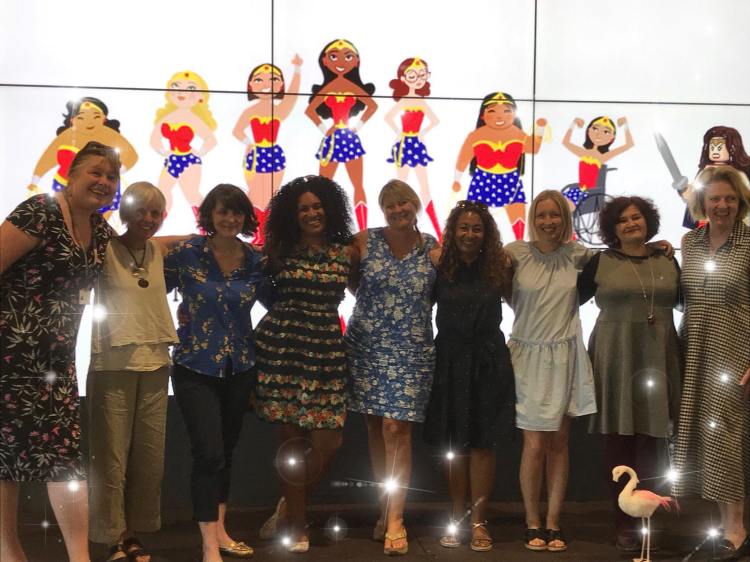
Me breaking the mould

This picture from our Breaking the Mould event of me with Lee, Carly, Jaz, Debra, Alison, Paulina, Rae, Mary and a Flamingo, captures the sisterhood of #WomenEd – the diversity of women who I have the privilege to know, to respect, to love, to learn from and to be supported by.

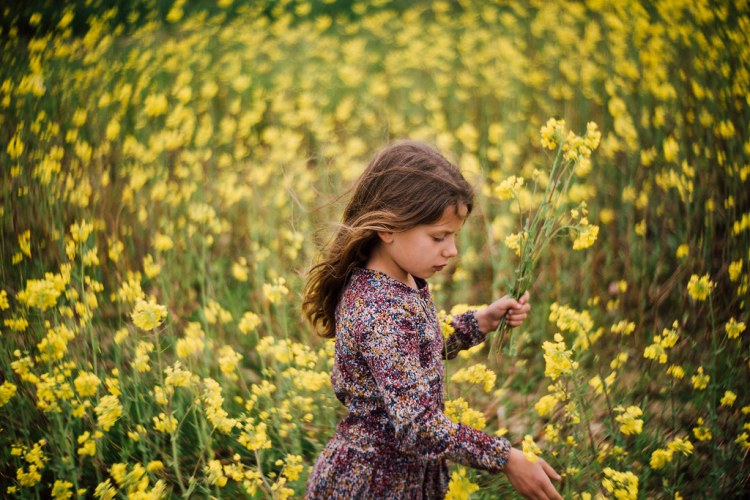


#DailyWritingChallenge Day 47: Beauty

noun. a combination of qualities, such as shape, colour, or form, that pleases the aesthetic senses, especially the sight.
I had a beautiful weekend. It was simple, but it made me smile, laugh, cry and embrace the joy in my life.  I saw the beauty in each moment and it filled me with optimism for the future.
The beauty of friendship…
On Friday night I had a zoom catch up with one of my London friendship groups, it had taken us a long time to tie down 6 busy people. Even in lockdown every has competing priorities with families, partners, extended family but we finally found a date and we listened, we laughed and we loved each other for a few hours. I went to bed smiling about the beauty of friendship.
The beauty of listening…
My Saturday morning routine has become joining the HeadsUp4HTs coffee morning and being James’ wing woman. Each week there are old faces and there are new faces. The safe space that has been created allows everyone to stop, breath and share their week. I stay connected to the profession by hearing the realities of what it is like to be a school leader right now. There is beauty in listening and learning.
The beauty of giving… 
On Saturday afternoon I hosted and facilitated my first #IamRemarkable workshop for 15 phenomenal women. The session was full of powerful, positive energy. We held each other,  we encouraged each other, we praised each other. Spilling into a new DM group there are beautiful new friendships forming as we champion each other. My heart was full of the beauty of giving my time to others and seeing them grow in confidence.
The beauty of appreciating…
On Saturday afternoon I cleaned my house. As I lifted each object to dust, I appreciated how lucky I am to have such a lovely home. As I hoovered to Lizzo I appreciated how sparkly every was. I then went out to the garden to check for weeds, as I bent own to remove a few mavericks, I appreciate the colours that have popped out in the last week. The beautiful purples and greens are stunning.
The beauty of laughing…
On Saturday night my lodgers and I had agreed to have a games night to break up the monotony of seamless weekends and the vortex of Netflix. We ate Mexican, drank wine and they taught me a new card game, which I picked up quickly and then held my own with. The beauty of a healthy competition made us all laugh lots.
The beauty of holding a space… 
On Sunday mornings and Sunday nights I facilitate peer support circles. I look forward to seeing everyone each session.  Over 9 weeks strong connections have formed as we share our vulnerabilities. The format is simple, I ask a few questions and the contributions flow. We hold each other accountable for an intention for the week. It is a a beautiful privilege to have created and to hold this space for others.
The beauty of driving…
For the last year I have had a long commute. I have always enjoyed driving, it gives me a sense of freedom. I love the feeling of having the windows open, the radio on and being in control of my direction of travel. In 9 weeks I have been in to Oxford twice, both times to go to the hospital for the vaccine trials, this time I went into the city centre on a sunny Sunday to meet a friend for a walk. It was a beautiful drive in the stunning city which had a sense of stillness to it.
The beauty of phone calls…  
Lockdown has made people reach out more but to also pick up the phone more.  As a teen I used to spend hours on the phone, with the rise of social media and messaging apps, text has become the default way of messaging. As I parked and walked to meet a friend for a walk, I called another friend who had had a tough week. She is one of my soul sisters, and we always speak honestly and freely. We understand each other and know when to listen and when to challenge. We shared our weeks and shed our loads. There is beauty in being truly listened to.
The beauty of noticing…
Magdalene College was in its full glory as I met my friend who works there for a walk. The buildings are breathtaking, the gardens are stunning and the surrounding areas to explore by the riverbank are vast. I was that annoying person on the walk who had to keep stopping to take it all in. Everything was beautiful.
The beauty of nature…
One of our circle actions for the week was to do a #RainbowWalk, to look at our lives through a new lens. My friend and I punctuated our walk around the grounds, along the river and through the park, by colour spotting. Summer was alive, colours were vibrant and I felt an unbelievable sense of excitement spotting each colour as a we walked and we talked. My rainbow montage of flowers and plants  is beautiful and perfectly captured this lovely afternoon, my first friend meet up in a very long time!
Sunday night I went to bed tired but happy, my heart full of hope, and my senses stimulated, by a weekend full of beauty.
Lockdown is teaching us many things, and there have been many #SilverLinings, appreciating the beauty in the most simplest of things being one of them.
Everything has beauty, but not everyone sees it.
Confucius
beauty 1

#LockdownLeadership Blog 9: Community Leadership

The #LockdownLeadership series is a collection of anonymous blogs about leadership during these uncertain times. Share your leadership journeys: confessions… conversations… celebrations… challenges… Reflect on your moments of: courage… compassion… clarity… craziness… Email 500 words to hello@hannah-wilson.co.uk to be shared in this safe space.

The pandemic really has shattered the illusion that reliable people and stable systems are in place to make the right decisions.  The self-imposed chaos of Brexit was the first time the curtain was torn back and the world witnessed our Peers, MPs and public school boys squabbling about who started it, how to stop it, and who was going to deliver it.  Today we fight a contagion that threatens the lives of our people, the education of our children, and the health of our economy.  The only clear thing  is every week we discover another underestimated factor or new complication amongst the muddle of obstacles standing in the way of getting Britain back on track.

In a way it’s refreshing that we can no longer pretend there are experts are in control.  We are in this together, each doing the best we can to support one another.  I’m heartened that individual Head teachers have challenged  government goals for Primary school return dates; not because I believe the dates are wrong (how would I know what’s right for a school I don’t know, in an area I know nothing about?), because I believe Head teachers, parents and we teachers should hold ourselves accountable for the responsibility we carry and the responsibility we give away.

I have seen good leaders make bad decisions because one lone blade of grass cannot resist the force of the wind. The 2008 recession followed by a swathe of retirement age Head teachers leaving the profession made it easy for  the downward spiral within education.  While drastically and continually slashing school funds, Tories claimed they could ‘raise standards’ in education.  Ofsted school ratings got tougher, exams got harder, school targets became higher and more complex: shaping the capitalist vision of education that would … make Britain great again?

Experienced teachers acknowledged and tutted at the duplicitous rhetoric around ‘raising standards’ for all children and the political motivations behind wanting to ‘compete in a global job market’.  We teachers know that smashing fragile children against square, baccalaureate-shaped holes isn’t fair, there’s no evidence of raised standards – only increased mental health problems for students and teachers alike.

Throughout these changes, good school leaders did their best to protect students and shield staff, while self-serving, ambitious leaders embraced the challenges to raise their professional profiles, whatever the cost. These were dark days because no one and no group was strong enough to challenge the government, Ofsted or Michael Gove. We did complain, we took part in consultations, but no one really believed we could challenge the momentum of wheels in motion.

The pandemic has altered this sense of powerlessness  by highlighting the importance of the differences between school communities and by introducing the incredible risk of life and death.  Leaders cannot be bullied, bribed or browbeaten out of this fact.  Where you live, your race, your medical history, are just some of the crucial components of the decisions we must each make for ourselves today.

Schools are the reflection of the communities they serve.  Newham has been worst hit by the pandemic so far and this maybe because of it’s largely  BAME community.  Many earn less than the average wage for London, many are housed by the council, coping with shared facilities and frequent moves.  Maybe more households in Newham have extended families and greater links to international hotspots for the virus? Maybe some of these households include people who worked through the lockdown and continue to, regardless of underlying illnesses and whether they could use PPE because their wages were not protected if they didn’t show up to work?

My Newham Head teacher created space for staff to prepare home learning resources ahead of the lockdown by  limiting  student admission in the last two days before schools were closed. Quite a few other schools did the same because they did not have the permission or autonomy to close their schools.  It would have been impossible to prepare for   teaching in lockdown and accommodate students lessons safely without the school leader taking action.  Given that my school has since lost two members of staff to the pandemic, I wish that choice had been in our hands rather than anyone else’s, especially not those of the Brexit Cowboys.  Yet,  these decisions have shown that given the seriousness of the pandemic, some leaders were willing to challenge government and borough guidance because they believe it was in the best interests of their staff and students. It sounds a simple and logical enough move, but it could spell so much more for school  leadership teams if this is the start of schools saying no to harmful government decisions. Crossing swords now, when public confidence in political leadership has already fallen so low will ensure a bitter battle ahead, with political careers and, indeed,  lives hanging in the balance.

In an altogether different borough, the worst example of school leadership (the school has recently fallen from Outstanding to Good in Ofsted ratings) has made its most recent, disastrous move.  The  Ofsted trained Head teacher has asked at least one subject to reduce over 80 estimated GCSE grades by a whole grade.  Why? Because the existing GCSE ALPs rating for the subject might cast doubt on the estimated GCSE grades they’re submitting. There is no suggestion that the subject has made a mistake in their estimations, only that lower estimated grades better reflect the grade range expected by the DfE.  This isn’t leadership, it’s gaming by leaders who have prioritised maintaining national measures to assure their grip on their slipping position in national ranking hierarchy.

Not all leaders are worthy of their positions. While other school leaders have been moved by the heavy responsibility to protect the communities they serve.  There’s no guide or expert better informed than they about the needs of their students.  Their subjectivity and direct  knowledge of the local area is critical when weighing up the risks of calling students and staff back to school.   It might mean some schools open before others, but that’s ok, as long as those most informed and most invested in the school make the decision.

Perhaps this is a watershed moment for all school leaders? Maybe school leadership teams who have focused more on their students than national targets and examination grade curves will seize the power to share their decisions with their communities about when and how to open their schools? And going forward, seize the power to decide the best provision of education for the communities they serve.


#DailyWritingChallenge Day 46: Hope

Hope is an optimistic state of mind that is based on an expectation of positive outcomes with respect to events and circumstances in one’s life or the world at large. 

I have been sitting on Hope and holding this value back until we really needed it. It was an obvious one to explore at the start of #Lockdown but I intentionally kept it in our reserves to focus on when we needed to reenergise and bring some positivity to the situation. Hope was one of my guiding values as a new Headteacher, I was hopeful about the changes we wanted to bring to our values-based school, I was hopeful of the disruptions we wanted to implement to the “we have always done it this way” system, I was hopeful that we were intentionally proactive, preemptive and preventative about mental health and wellbeing. I am hopeful our community have been using their toolkit of mindfulness to help them in the last few weeks.

It’s been a long two months and at times our flames of hope in the darkness have dwindled, flickering in the breeze. Our hope has been fragile.

Thursday 19th March was when  the Lockdown announcement was made, I can remember it clearly as it was a few days before my 41st birthday. My friend Annemarie and I  met for a socially distanced walk and picnic halfway between Oxford and Leicester that weekend. We processed our emotional reaction to the situation by walking and talking. We discussed the seemingly hopeless situation.

Fast forward (or should that be slowly drag!) 2 months…

Monday 18th May marks our 9th week of being housebound. This weekend I met my friend Aoife for a socially distanced walk in Oxford, she works at the university and we walked around the stunning grounds at Magdalence College. I have been craving human connection, and although it was hard to not hug her, it was the most normal I have felt in a very long time as I drove in, parked and greeted her. We lay on the beautifully manicured grass and were hopeful about future plans.

Nine weeks of working remotely has been very hard. Nine weeks of respecting social distancing has  been really difficult. I can count on one hand how many people I have seen in that extended period of time. I have consciously kept myself buoyant, I have sought out those people to interact with who are positive, optimistic and hopeful, I have challenged negative rhetoric that I have not needed to hear. I have had a few lows where things have seem hopeless, but on the whole I have kept my spirits up. Filling my car up with the diesel for the first time in 2 months yesterday seemed like a monumental feat, it brought a sense of hope that things were changing.

I challenged my peer support circle yesterday to do a #RainbowWalk, and notice the colour and vibrancy around them. I felt a shift in me as I noticed the  beauty of nature on our walk.

So what are my hopes for the future?

Humanity:

We need to do better, we need to be better. As humans we need to learn from the world events and circumstances we have recently experienced.  Humanity needs to respond to the universe’s message. Humanity needs maintain a sense of hope that we will get through this, that we will beat it, we will create order and a sense of equilibrium once again.

Everything that is done in this world, is done by hope.

Martin Luther King

Optimism:

Our state of mind frames how we feel which shapes how we behave. Our confidence about our future success will set the tone for the next few weeks, the next few months.  We need to remain optimistic and keep our spirits high, we need to uplift one another, not attempt to break each other down.

Once you choose hope, anything’s possible.

Christopher Reeve

Positivity:

We need to practise being positive. It is a muscle we need to exercise, consciously. We need to make positivity present and negativity absent. We need to reframe what we think, what we think, what we say and what we do. We need to model the positivity we need to hear and receive from others. We need to shield ourselves from the negativity that brings us down.

Hope is seeing light, despite being surrounded by darkness. 

Desmond Tutu

Expectation:

We are expectant. We have been waiting. Those 9 weeks have felt like 9 months at times. Time has moved slowly. Change has happened rapidly. We have a strong sense of the realities of lockdown being lifted and of the pressures of schools being reopened. We await further changes, additional updates, as we navigate and assimilate the information. We are expectant of further change. We are resolved to the fact that there could be another spike, we could be wasting our time, energy and resources.

Hope is the only thing stronger than fear.

Robert Ludlum

As I reflected on expectation it made me think about CollectivED. I am delighted that I have recently been made a Fellow and I have been invited to become an Associate for The Centre for Mentoring, Coaching & Professional Learning. The summer Knowledge Exchange, organised by Professor Rachel Lofthouse,  was planned for June 23rd, but has now been deferred to November.

In its place my #WomenEd  friend Charmaine Roche is hosting a CollectivEd Virtual Symposium facilitated by members of the CollectivEd Advisory Board. The event is entitled: Can we be the midwives of our own future? A call to the education sector. This carefully worded frame is full of hope.  So, I have just submitted my application to contribute my initial research for my MA focusing on what the education system can learn from our response to the pandemic about flexible working. I am hopeful that the business case against part-time teaching and job shares has imploded and that those requesting adjustments to their working hours and contact time in school will now have robust evidence that they can leverage from the last 2 months to justify this much needed change to working practices in our schools.  I am hopeful that we will then challenge the Talent Management Crisis our school system has been facing for several years and bring about much needed change.

hope 3

Updated:

Charmaine read my blog and responded with a book to read and a quote from the author:

Hope is a gift you don’t have to surrender, a power you don’t have to throw away.

Rebecca Solnit, Hope in the Dark

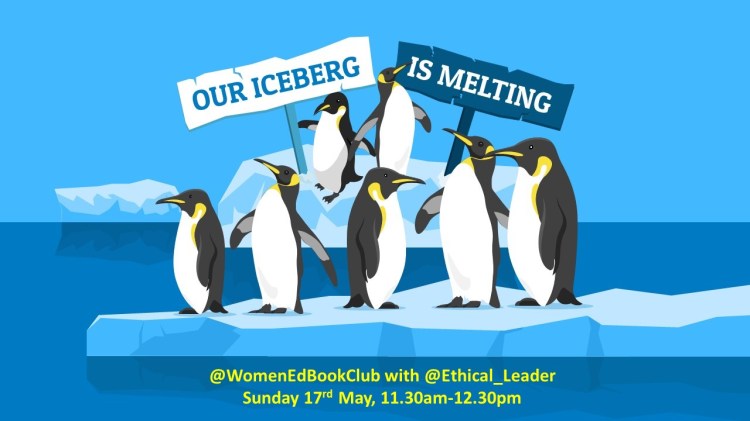
#WomenEd Book Club: Our Iceberg Is Melting, John Kotter

In the summer term I am hosting 6 book club discussion on Twitter for #WomenEd with my wing woman Kiran Satti. The schedule is on the pinned tweet here

This morning we discussed Kotter’s ‘Our Iceberg Is Melting’ (OIIM). You can see the thread via the hashtag #IcebergMelting

Reflection: why did we discuss this book?

I read this book years ago. I was facilitating the Leading Change modules for the NPQML and SL and I was reading around the subject of change leadership.  When I discussed hosting a series of book chats with Kiran a few weeks ago, it jumped out as an obvious choice.

What parallels can we draw between how our leaders are responding differently to pandemic and the decline of the world as we know it, and how do the penguins respond individually to their environment being under threat?

The change process we have all been going  through during these ‘unprecedented times’ and the changes our schools are still going through as the equilibrium is disrupted again with the next iteration of our collective response. Our school leaders are well versed in leading change, as our system constantly evolves, our practice is driven by theory, but how can the theory be applied for the change leadership we have witnessed from above? Have our leaders communicated with urgency? Have they built a guiding team? Have they created a vision? Have they communicated for buy in? Have they removed obstacles? Have they created short term wins to provide momentum? Have they maintained momentum? Have they incorporated change into organisational culture? And as each change has hit us, has this cycle been repeated?

Discussion: how did the book resonate?

Q1. What were the key messages you took away from reading ‘Our Iceberg is Melting’ (OIIM)?

  • getting buy in is key to effective change
  • find your key players and the people who can and will to help drive change forward
  • good leadership is changing with the change that presents itself to you and no amount of certificates in leadership will prepare you fully
  • importance of keeping your eyes open as a leader and to be able to listen to others
  • importance of knowing the specific strengths of those within your organisation and being able to use these strengths effectively to bring about change
  • grow & develop the team to enable growth & progress through informed choices
  • invite challenge and challenge others

Q2. What is the iceberg a metaphor for in John Kotter’s book OIIM?

  • iceberg is metaphor for any crisis that needs change from me/ means change for me
  • Covid 19 is an iceberg
  • a metaphor for any future difficulty that might impact your organisation moving forward/ thriving
  • any difficulty that may not be apparent at first glance
  • regular observation/reflection is needed to help identify the ‘melting’ of your iceberg
  • being aware of what is hidden in the depths
  • looking beyond the surface identifying the issues that are lurking /not being thought about/questioned/discussed

Q3. Which of the penguin characters most resonated with you in OIIM and why?

  • Alice – listening to others, practical, organised and can get things done
  • Fred – manages different/difficult personalities in his colony

Q4. What do we learn about leadership through OIIM?

  • listen to others and give them time
  • value their opinions, thoughts and ideas of others
  • know the strengths of your team and use these strengths effectively
  • no leader can bring about change on their own
  • importance of teams
  • sufficient leadership at all levels is needed to bring about change
  • leading by consensus, but being strong enough to stop, pause, reflect, listen, adapt
  • sometimes being at the fore and at times receding to the back
  • acknowledging the collective effort
  • leadership is not a solo sport or show

Q5. What were your favourite quotes/ pearls of wisdom in OIIM?

  • What would we tell them as they stood before us in unspeakable pain?
  • Making moves while preserving the dignity of all was not easy.
  • creating urgency and reducing complacency
  • importance of pulling together the right team to guide the needed change
  • creating a vision of the future and communicating this vision
  • knocking down barriers to make everyone feel empowered

Q6. What did you learn about yourself by reading OIIM?

  • affirmed  need to listen to the right voices &  have less self doubt
  • understand what needs to be done and why
  • share that vision, ask for questions and answers
  • question and know what the needs of others are to move forward collectively
  • value and develop strengths of others

Q7. What key learning will you share with others having read OIIM?

  • metaphor of melting iceberg
  • 8 step plan for initiating change
  • facilitate everyone’s voice
  • key text for my team to build on
  • using the eight point model to develop our plans and vision

Context: what is the theory behind the book?

This book brings to life 8 step leadership change model, from 2007, through the story of a colony of emperor penguins:

  • Step One: Communicate Urgency
  • Step Two: Build a Guiding Team
  • Step Three: Create a Vision
  • Step Four: Communicate for Buy-In
  • Step Five: Remove Obstacles
  • Step Six: Create Short Term Wins to Provide Momentum
  • Step Seven: Maintain Momentum
  • Step Eight: Incorporate Change Into Organizational Culture

Thank you to everyone who got involved in the chat, follow the thread, answer the questions and pass it on. It is a great book to share with colleagues who are guiding others through the constant ebb and flow of change that we are responding to.

Slide1

#LockdownLeadership Blog 8: ‘Stoic Wisdom’

The #LockdownLeadership series is a collection of anonymous blogs about leadership during these uncertain times. Share your leadership journeys: confessions… conversations… celebrations… challenges… Reflect on your moments of: courage… compassion… clarity… craziness… Email 500 words to hello@hannah-wilson.co.uk to be shared in this safe space. 


Stoic Wisdom for leaders in challenging times

Stoicism — an ancient school of philosophy famously practiced by the likes of Seneca, Epictetus, and Marcus Aurelius — is often considered to be a philosophy for the real world, and as we face the coronavirus pandemic, its teachings feel distinctly relevant for all leaders right now.

As leaders – worry only about the things under your control:

It is not what happens to you, but how you react to it that matters.

Epictetus

The weather, the way you were brought up by your parents, viral outbreaks, are all things that are out of your control. We need to save our focus and resources for what we can influence.

As leaders, we must accept misfortune and make the best of all situations in hand. Victor Frankl – author of Mans Search for Meaning and concentration camp survivor, once said:

When you are no longer able to change a situation, we are challenged to change ourselves.

As a Head teacher, I have found returning to this question of control, a very useful exercise.  If you can focus on making clear what parts of your role are within your control and what parts are not, you may become less anxious and more self- aware.

Marcus Aurelius would say that one of things that we should all do is to practice misfortune. The Stoics called it ‘negative visualisation’. This does not mean that we should all go around being depressed all the time and thinking the worst but rather that we allow ourselves, fleetingly, to reflect on things that can go wrong as leaders – the obstacles and problems – in order to prepare and build inner resilience.

Understand that you are the sole source of your emotions:

The happiness of your life depends upon the quality of your thoughts.

Marcus Aurelius

As leaders, It’s the stories that we tell ourselves about those events, that determine our outlook.  When we’re faced with difficult scenarios, we ought to remember the importance of choosing the narrative that is beneficial to us and consistent with the truth.

As leaders, keep your expectations reasonable:

 How ridiculous and how strange to be surprised at anything which happens in life.

Marcus Aurelius

The great Stoics of the past believed it was absurd to be surprised by anything. Frustration is often the result of unreasonable expectations. It is unreasonable to expect that we will not face challenging parents, staff or children, dilemmas, problems and set – backs.

Be a Good person – be virtuous:

Waste no more time arguing about what a good man should be. Be one. 

Marcus Aurelius

The greatest accomplishment for a Stoic, was living a virtuous life regardless of the circumstances. As leaders It is important to adhere to our values, even when life is most challenging. Try to be empathetic, reflective, courageous and calm. You may be blown off course by a gust of wind but is your intentions that matter more than the outcomes of your goals.

Be grateful:

Nothing is more honourable than a grateful heart.

Seneca

As leaders, avoid focusing on the things you lack. Instead, be happy with your blessings. Be grateful for what you have, both as a leader and in your personal life.


#DailyWritingChallenge Day 44: Acceptance – an anonymous blog

I don’t know about you, but I have had to learn the art of acceptance and it hasn’t come easily. I always wanted to control situations – probably as a way of feeling safe within the world. However, what I have discovered is that the more I try to control people, places and things the more unhappy I become and those around me.

A few years ago now I was diagnosed with a rare disease that isn’t curable. Basically, the mast cells in my body don’t work properly and I go through the day having allergic reaction after allergic reaction to everything and anything.

In 2015, I noticed that a rash was growing on my upper thigh. The rash had been there since I had had my daughter in 2006 but hadn’t grown in size or shape before. It travelled down the thigh and the same happened on the other leg too. It didn’t disappear and was always there. For a vain person this was horrible – I looked like I had a permanent case of chicken-pox. So I went to the doctor, who referred me to a consultant and eventually, in September 2016, I was diagnosed with cutaneous mastocystosis.

Mastocytosis occurs when too many mast cells accumulate in the skin and/or internal organs such as the liver, spleen, bone marrow and small intestines

Following my diagnosis, I had to have a blood test to rule out systemic mastocystosis. This is where the mast cells don’t just accumulate abnormally on the skin but also in the internal organs. After loads of blood tests, bone marrow biopsies and finally being referred to a consultant who specialised in systemic mastocystosis systemic mastocystosis was not ruled out, instead I was diagnosed with it in October 2019. It made sense of why I had felt incredibly unwell for so long and in so many different parts of my body.

Over the last four years, I have discovered certain things that will instantly cause reactions. When I say reaction what I mean is that my heart starts racing (140-160 beats a minutes, breathlessness, hives, dizzyness and then extreme tiredness).  I have discovered that exercise (changing body-temperature), sitting out in the sun for any length, swimming pools (even being in the vacinity of one) and water (challenging) all cause me to react. This has proved incredibly challenging.  I have had to accept that I can’t run or go to exercise classes, I can’t go on pool-side holidays and I can’t luxuriate in a bath. I have also had to accept the permanent rash. I have a permanent rash covering both thighs and on a daily basis the rest of my body will come up in hives. It isn’t pretty and I used to wear trousers all the time because I hated it so much, but recently, I have started to wear shorts! I have had to accept that I need to take 20 – 30 tablets a day just so that I am able to function but I still have daily reactions and can’t go anywhere without anti-histamines and my epi-pen.

I didn’t want to have a rare incurable disease but in accepting that I do, it has brought me a great deal of peace. I chose to resign from my headship and put my health first – stress and mastocystosis don’t go well together. I am now teaching again and living my life gently – more gently than I think I ever have done and with that I have contentment. George Orwell was right:

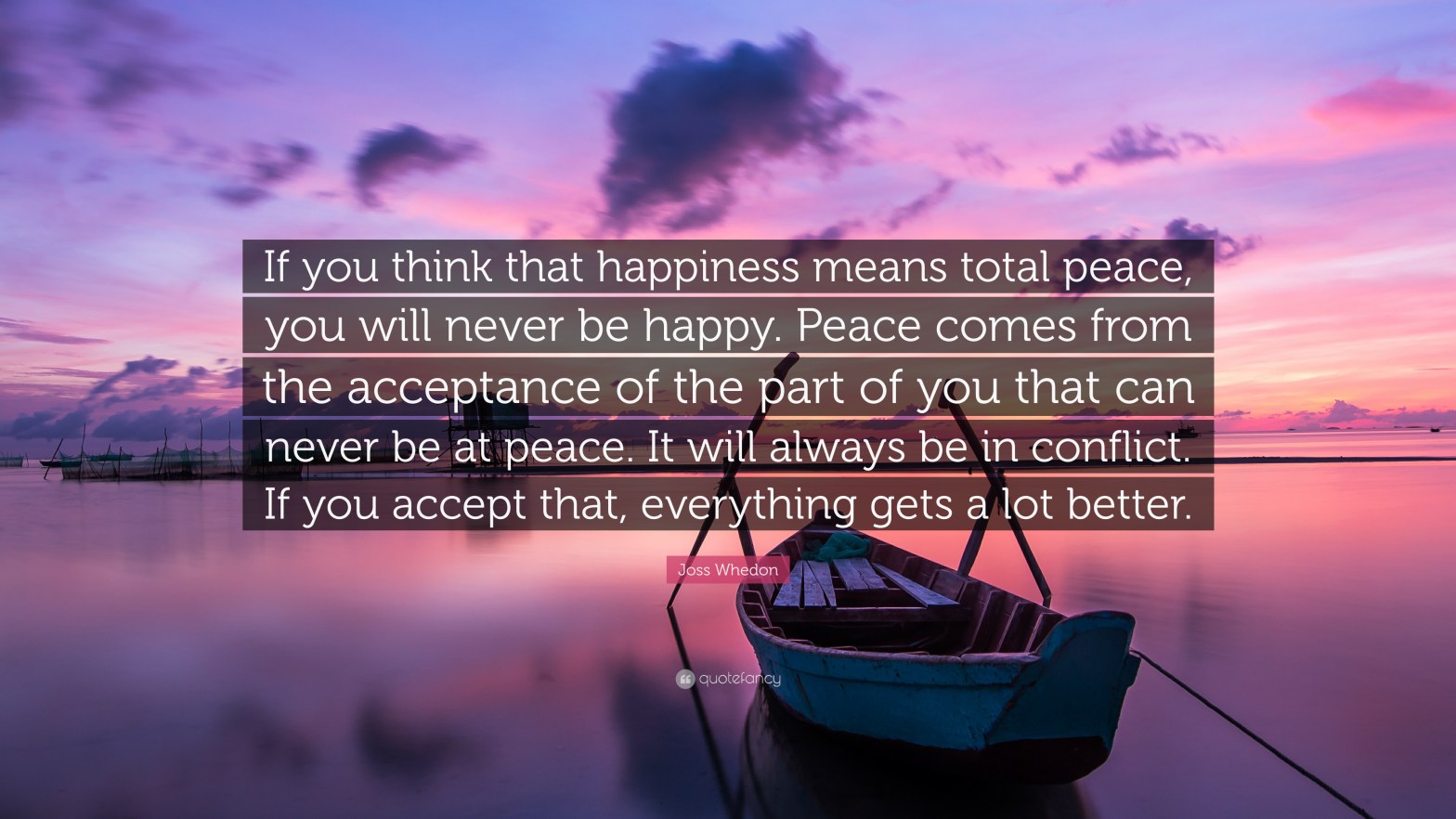
“Happiness can exist only in acceptance.”

#DailyWritingChallenge Day 45: Harmony

noun. the combination of simultaneously sounded musical notes to produce a pleasing effect; the quality of forming a pleasing and consistent whole; the state of being in agreement or concord; an arrangement of the four Gospels, or of any parallel narratives, which presents a single continuous narrative text.
I read an article a while back about why we should seek ‘work life harmony’ instead of ‘work life balance’ and it really resonated with me. Over the last 12 months, since transitioning out of school leadership and leaving Headship, I have consciously reframed my life.
Time out travelling allowed the time and the space to decompress. Starting a role in a university, enabled be to recalibrate my relationship with work and establish clearer boundaries on my time and my energy. After trying to juggle work and life, and doing it badly, for a few years, my life became less compartmentalised and my work became less all-consuming, enabling a more seamless flow between the different parts of my existence.
“Out of clutter find simplicity.
From discord find harmony.
In the middle of difficulty lies opportunity”.
Albert Einstein
This journey of transformation started with a change in perspective and a conscious mindset. Stopping, pausing and embracing the stillness and the space created a new lens through which to view things.  I explored the tensions, paid attention to the discord.
My life was full of meaning, but had I been fulfilling my purpose? I am a passionate person but had I been investing my time and my energy in the right things to move in the intended direction of travel? This makes me reflect on my earlier post about Ikigai and the search for congruence between my passion, my mission, my profession and my vocation. The happy sweet spot is where they are in harmony.
I have also read a lot about time and energy management. I am a ninja when it comes to managing and maximising my time. I am a highly productive person and have capacity to juggle lots and multi-task a range of projects and activities, but being busy all the time meant I was being swept along, not everything I was doing was conscious and deliberate. It also meant that my energy levels would often be depleted.
I began to ask myself questions about what I was saying yes to, why I was investing time and energy in certain things, how it was going to enhance my life, what I would gain from my involvement. That might sound self-centred or selfish, but as someone who constantly serves others, I needed to review what was serving me. I needed to invert the lens and put the awareness spotlight on me and ask myself some of the questions that I regularly ask others, that make you think deeply about your choices.
“He who lives in harmony with himself, lives in harmony with the universe”.
Marcus Aurelius
As a Headteacher I had a holistic vision for our school, we had a holistic provision where we were focused on ‘nurturing the hearts and the minds’ of the whole child. Our provision integrated the core curriculum with our inner curriculum. We were committed to enabling our children to thrive and flourish, as whole individuals, to have a toolkit of life skills to make them resilient human beings.
I began to apply this holistic principle to my own life, work being the core content, the professional growth, and my passion projects being the inner content, the personal growth. One thing I had done a few years prior to that was to have one calendar   so I could see the balance of my week and create harmony between my commitments. I have shared my colour coding technique with a lot of my contacts over the years, as it is a visual way to represent your different activities and enable you to scrutinise the flow.
I have always used yellow as my wellbeing colour, my sunshine, the things that bring me joy, keep me well and are part of my self-care. I want each week to be a rainbow of variety and diversity.
Moreover, I use purple for my ‘passion projects’ – the things that are not work but that energise me, the things that bridge my professional and personal spheres. When we started #WomenEd my weekends began to fill up, I spent a lot of Saturdays at events, I started blogging in my evenings and weekends too. Sometimes friends and family would give me push back on ‘working’ at the weekends and out of hours, but I explained to them that I chose to invest time and energy in these activities. I didn’t at the time realise that therein was an example of work life harmony.
“There is a social need within our lives as human beings to have harmony”.
Cat Stevens
For me, a rainbow is a symbol of harmony. Each colour has its own worth, but together each colour compliments one another to create a whole. Nothing jars. Rainbows bring joy, hope and optimism as they make you stop in your tracks and take in their beauty.
Harmony is about integration, about layering different components, creating concord.  It is about planting seeds and seeing plants blossom alongside one another. It is about scoring music notes and hearing the voices and instruments create beauty together. It is about different people and diverse thinking co-existing. Harmony is the intentional act of embracing wholeness.
“Life blossoms when it is in a state harmony and balance”.
Angie Karan Krezos

Reflection and self-awareness are two of the vital ingredients to enable harmony to grow. Along with the resilience to be deliberate, to learn and to grow.  Embracing a different way of being, enhancing what serves my purpose and amplifying what brings me joy has been a process, which is constantly evolving.

A coach a while back encouraged me to apply my project management skills from work on my personal life and I have consciously done this: I have removed things that jar me from my life, I have streamlined the things that clash with my values and I have aligned different components that were working against each other. 
My life is not perfect, but if it is the sum of all of its parts, it is happy and harmonious:
“Happiness is when what you think, what you say, and what you do are in harmony”. 
Mahatma Ghandhi
So I encourage you to reflect on whether you are seeking balance or whether you are  seeking harmony and to consider how you can integrate the different parts of your life to enable you to be truly present.

#LockdownLeadership Blog 7: ‘A Sideways Look’

The #LockdownLeadership series is a collection of anonymous blogs about leadership during these uncertain times. Share your leadership journeys: confessions… conversations… celebrations… challenges… Reflect on your moments of: courage… compassion… clarity… craziness… Email 500 words to hello@hannah-wilson.co.uk to be shared in this safe space. 

A Side-ways Look at Lockdown from a Leader!

This Lockdown Story is a little bit out of left field!  I am a leader. When, on 18th March 2020, Mr Johnson announced the closure of schools to all but the children of key workers and vulnerable children, my education role immediately dissolved into thin air. The reason? I was working uncontracted as a Senior Leader/Consultant, supporting schools and Senior Leadership Teams. A deliberate decision as I was also using this time to develop my own leadership chops in preparation for my next career move: acquiring my first Headship.

I’ll be honest; I was devastated at the news. No longer needed in front-line education for the duration and facing dire financial straits as I was apparently one of thousands who didn’t fit the Government’s furlough or support schemes, I stared into the abyss and wondered how one earth I was going to get myself and my family through.

Then, as if by magic, the answer appeared in my WhatsApp. Sent by a friend, it was an advert urgently seeking Personal Care Assistants to work with vulnerable people in their homes. I phoned the number and, within days, was kitted out in all kinds of paraphernalia (which came to be known as PPE) and was shadowing experienced Care worker colleagues. Within a week, I was going solo.

It’s a fascinating experience, putting me well out of my comfort zone at first. It is an absolute privilege working with some of the most fearfully under-appreciated members of our national work-force (and I’m in Education, so that’s saying something!) and taking care of – and listening to the amazing life-stories of the people I care for is wonderful!  Anyone who says the role of Personal Care Assistant is ‘unskilled’ is talking out of their posterior! I learned how to safely move and handle frail humans, how to use hoists and a wide range of other technical – and bloomin’ scary-looking -contraptions to support the mobility of clients.  I learned to really appreciate my health and agility (?!) and have discovered that daily, liberal application of cream really DOES give you lovely skin – even when you’re 96! Seriously – do it, people!

All that said, education is my first love. Between shifts and on days off, I work hard to keep myself current and up to speed, taking online courses, reading, following progress on EduTwitter and attending webinars and zoom meetings. I’ve also kept in touch with friends and colleagues on the front line of teaching throughout lockdown, offering moral and practical support wherever possible. I’ve never been prouder of our awesome profession which has risen brilliantly to the extreme challenges of school closure at such short notice, of maintaining high quality curriculum, lessons, and support for our pupils – and for their parents, most of whom, I know, have come to have a new and long-deserved respect and appreciation for what we do day in, day out.

I am SO PROUD of you all and I can’t wait to re-join you fully and help lead the way towards a new and bright future for education in our country.

#DailyWritingChallenge Day 44: Acceptance

Acceptance in human psychology is a person’s assent to the reality of a situation, recognising a process or condition without attempting to change it or protest it. The concept is close in meaning to acquiescence, derived from the Latin acquiēscere. 

The language of tolerance bothers me. Who wants to be tolerated? Who wants to be endured? We can tolerate things and actions we do not like, but it is a cold action to be applied to a human being.

Yes we need to be tolerant as individuals, but surely we want our society, our communities, to be more than that?

We all want to be accepted. We all want to be seen, to be heard, to be valued. We all want to belong.

“You don’t need someone to complete you.

You need someone to accept you, completely”. 

Being accepted is liberating. Being accepted is a validation. Being accepted is both an action and a process which we grow, learn and are nourished from.

Accepting others is a gift. Acceptance is a transaction – an act of giving and receiving to ourselves and others.

Self-acceptance is a practice we need to develop. A deep understanding of our inner selves, a recognition of our strengths and weaknesses,  enables us to give ourselves permission to just be.

“Acceptance makes an incredible fertile soil for the seeds of change”.

Steve Maraboli

Acceptance preserves time, energy and resources. When we refuse to accept something, our reserves are depleted as there is a cost of emotional labour. Being intolerant of others, disliking something or someone, refusing to accept an idea or a person, is a waste of energy.

The quicker we can acknowledge it, reframe our thinking about it, the swifter we can move on to change and grow.

“We cannot change anything unless we accept it”.

Carl Jung

Acceptance is a value we have needed to exercise a lot over the last 2 months. We have had to learn to accept a loss of control, to accept a disruption to our world, to accept changes to daily existences. Those who accepted these adjustments found peace quicker.

We have learnt to navigate a new way of being. We have accepted the ‘new normal’. We have wrestled with the new boundaries and  the revised expectations of the constantly changing goal posts. The waves have kept coming and the storm is yet to pass.

“You can’t stop the waves, but you can learn to surf”.

Joseph Goldstein

Yet, there are somethings we should not accept. There are some things we need to challenge. Codes of conduct, protocols, non-negotiables and lines in the sand should not be contravened, violated nor undermined.

There has been unacceptable behaviour, unacceptable decision-making, unacceptable communications.

So, how much should we be accepting right now? What should we be challenging and pushing back on? What should we be refusing to accept from the moral high ground?

There is a fear that we perhaps become too accepting…