#DailyWritingChallenge Day 88: Stability

noun. the state of being stable.
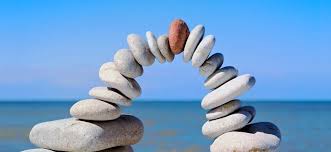
I love playing Jenga. The act of carefully removing a brick, the art of tentatively resetting it to balance the next tier is a game of stability. I have a good eye for which bricks will be easier to gently tap out, and I have a steady hand for gently removing it.
Our lives can sometimes feel like this. Over time each piece moves and changes priority, we focus more on different areas. We become acutely aware of which areas could be weakened, and thereby need strengthening. The reinforcement enables us to carry on, but at times everything comes toppling down and you need to start over, to rebuild.
Playing Jenga alone is not as much fun as playing it with others. Yes, you may have more control over the structure, but the camaraderie, the sense of risk, excitement and anticipation is lacking. Playing Jenga with others can be frustrating when you can see that their choice of brick to remove or their repositioning of it weakens the structure for everyone else.
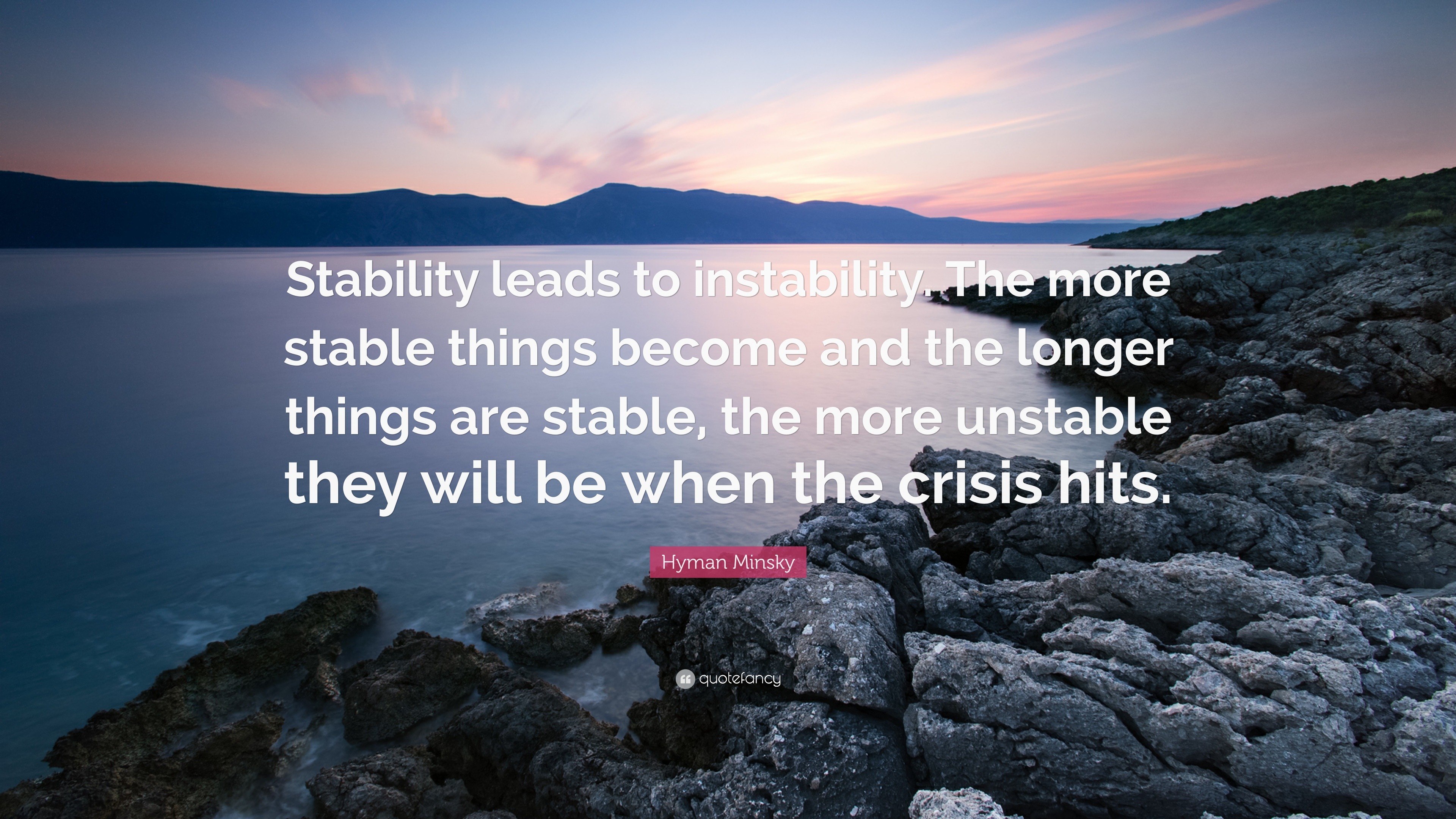
Hyman Minsky Quote: “Stability leads to instability. The more ...
Stability comes in many shapes and forms.
Individual Stability:
We are each responsible for our own sense of stability.
Social Stability:
We are collectively responsible for how we contribute to a collective sense of stability, in  a family, in a team or in a community.
Political Stability:
We can critique our government for many things, but we do live in a democratic society where we are politically stable compared to many other countries.
Economic Stability: 
We are all anticipating a period of instability as we ride the waves post lockdown, as the economy tries to get back on its feet.
Financial Stability:
We feel stable when we have a regular income, when we are in control of our finances and when we can afford the lifestyles that we have created.
Emotional Stability:
We manage our emotions to stay balanced and to process how we feel.
Physical Stability:
We keep fit to maintain our core strength to keep our bodies stable.
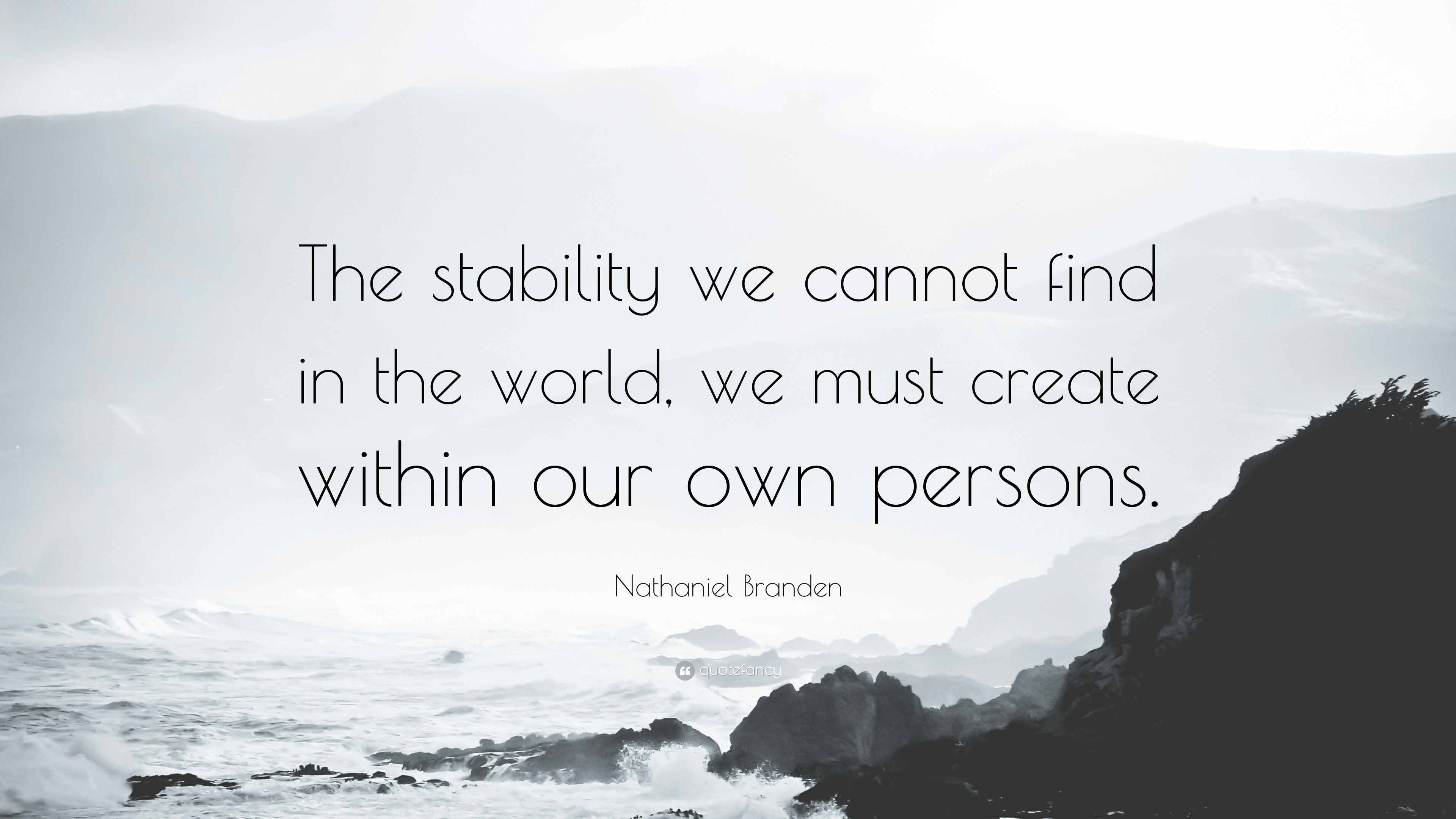
Nathaniel Branden Quote: “The stability we cannot find in the ...
Despite the personal, the social, the emotional and the financial upheaval I have experienced in the last 12 months, I feel very stable. I removed a number of Jenga bricks at the same time, and my tower could have come toppling down but it didn’t. A few layers may have fallen, momentarily, but I have rebuilt them.
Leaving a career, leaving a stable income did give me a few restless nights, but my income is stabilising as I get into the rhythm of working independently.
Leaving a team, leaving a social environment has been another change to process, but I have created circles of support around me to replace that sense of stability.
Leaving London 4 years ago, I reestablished myself in a new area, buying a house last year has given me those roots to ground me.
“Stability is everything. Being it emotional or physical.
You need a solid ground to build anything on”.
Unknown 
My sense of inner stability comes from my financial independence, my emotional resilience and my social support systems.  During lockdown I have experienced a lot of peace as I reap the benefits of the choices I have made.
“The key to success is emotional stability”.
Warren Buffet
As we stabilise our lives again, as we transition through another set of changes, let’s focus on what centres us and what gives us that sense of inner stability. Let’s make sure we are seeking balance and creating harmony between our priorities, commitments and responsibilities.
Our values root us. Our relationships nourish us. Our commitments ground us. Our vision motivates us. Our mission centres us. Our emotional self-regulation stabilises us.
How can we create a sense of stability for ourselves and for others?
Stability 1

#DailyWritingChallenge Day 87: Meaning

noun. statement of the exact meaning of a word, especially in a dictionary; the degree of distinctness in outline of an object, image, or sound.
As humans we constantly seek to find, to create and to assign meaning. Meaning gives us purpose and meaning reassures us.
When things have meaning they feel more purposeful and more worthwhile.
As someone who reads deeply into things, I always look for meaning, I look for ways to connect ideas, to connect people and to connect experiences. By making connections, I sense-make and anchor what is going on around me.
When lockdown happened, 4 months ago, we slowed down, we reflected, we sought meaning in what was occurring. We looking to the Universe and to Mother Nature to give us a sense of meaning to the “unprecedented times”. We saw meaning in the changes to the world around us as nature claimed back their planet.
The crisis, the chaos, the uncertainty shook the meaning of who we are, what we do and why we do it. For many, our individual meaning comes from the work that we do and those who serve communities – the doctors, nurses, teachers and the  food service industry – had even more meaning ascribed to the work that they do.
Some of us initially lacked meaning in the ‘new normal’ as we could not see how we could add value and assist, but we created meaning over the last few months and found our way to be meaningful and purposeful.
As we head towards the summer break, I hope people take some time out to reflect, to make sense of what we have been through. I can only imagine how physically, mentally and emotionally drained our colleagues who are teachers and school leaders are from being so reactive and responsive over this prolonged period of time.
We need to reflect to sense-make the things we experience.
“You can’t connect the dots looking forwards;
you can only connect them looking backwards”.
Steve Jobs  
We have each experienced Covid-19 differently, we have suffered, we have struggled but we have survived.
“To live is to suffer, to survive is to find some meaning in the suffering”.
Friedrich Nietzsche 
We all exist for a reason, we need to know our purpose and the meaning it carries.
“The meaning of life is to find your gift. The purpose of life is to give it away”.
Pablo Picasso 
We enrich our lives through our service to others.
“The sole meaning of life is to serve humanity”.
Leo Tolstoy
We choose the meaning we bestow to each thing.
“Things do not have meaning, we assign meaning to them”.
Anthony Robbins 
We are all artists interpreting the abstract.
Only an artist can interpret the meaning of life”.
Novalis
We need to reflect on how we will live our lives moving forwards.
“The meaning of life is that it is to be lived”.
Bruce Lee
What meaning will be carried forward into the ‘new normal’?
What will be usualised as having meaning in our future lives?
What has found new meaning to us as individuals and as a society?
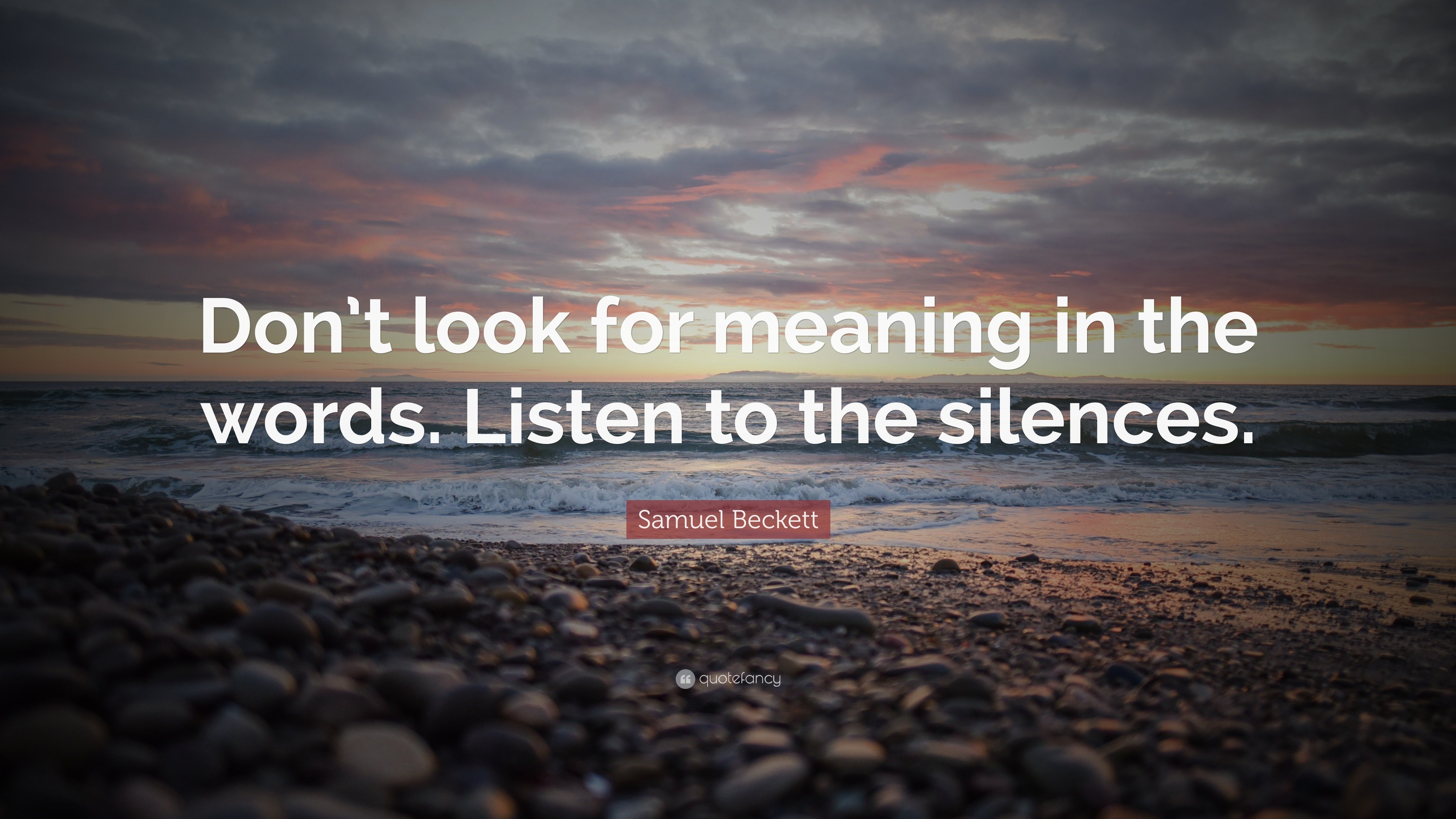
Samuel Beckett Quote: “Don't look for meaning in the words. Listen ...

#DailyWritingChallenge Day 86: Focus

noun. the centre of interest or activity; the state or quality of having or producing clear visual definition.
verb. adapt to the prevailing level of light and become able to see clearly; pay particular attention to.
The focus.
What is in my sights? How clearly am I seeing it? Why is it the centre of my attention?
To focus.
What could distract me? How can I be successful? Why do we need this change?
To have focus, to be able to focus, is a skill. To simplify, to see clearly, to ignore the white noise enables us to move towards our goals.
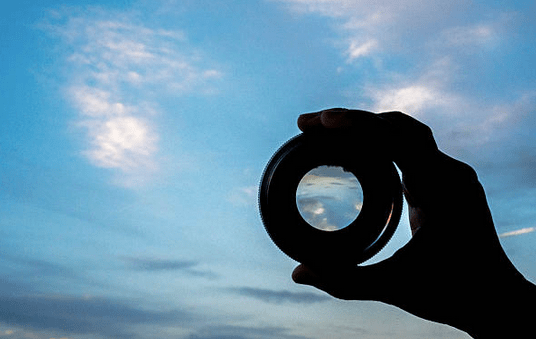
focus 2
“Your life is controlled by what you focus on”.
Tony Robbins
What we focus on, is what the universe manifests for us.
“Always remember your focus determines your reality”.
George Lucas
What we focus on, is what becomes our reality, our future.
“Focus does not mean saying yes, it means saying no”.
Steve Jobs
What we focus on, requires us to say no to other things.
“Focus on the outcome, not the obstacle”.
Unknown
What we focus on, becomes our goal, despite the barriers we need to overcome on the journey.
“Focus on the possibilities for success, not on the potential for failure”.
Napoleon Hill
What we focus on, drives our success and becomes our solution. Focus requires concentration, self-discipline and dedication. Focus is enabled by simplification.
Focus on you and do the inner work. Focus on you and know your vision, mission, values and purpose. This positive focus will enable you to be future-focused and empower you to be solutions-focused.
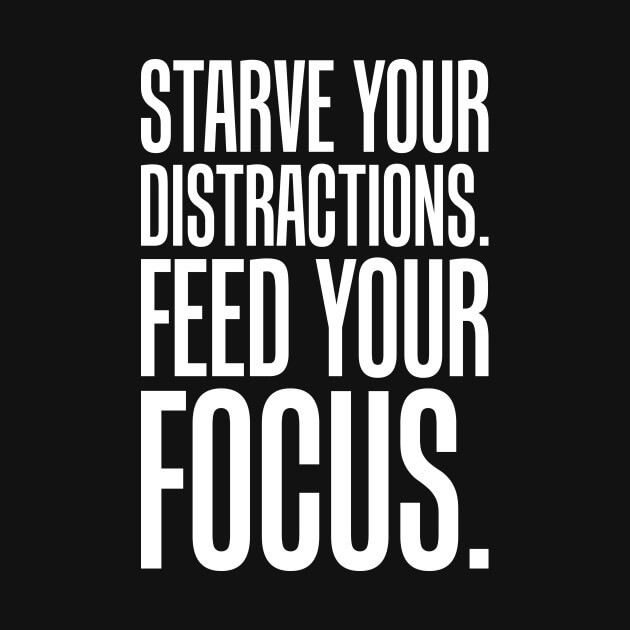
Focus Affirmations & Quotes

#DailyWritingChallenge Day 85: Autonomy

noun. the right or condition of self-government; (in Kantian moral philosophy) the capacity of an agent to act in accordance with objective morality rather than under the influence of desires.
In developmental psychology and moral, political, and bioethical philosophy, autonomy is the capacity to make an informed, uncoerced decision. Autonomous organisations or institutions are independent or self-governing.
I thrive in cultures which enable autonomy. I love being autonomous.
When I reflect on my roles over time I realise that my job satisfaction, my sense of fulfilment and my wellbeing were deeplf affected by how autonomous I could be in each role, in each organisation, in each context.
As an Assistant Principal, my Principal trusted me, he empowered me to be autonomous and I thrive. As a Vice Principal, my new Principal controlled us, he micro-managed me so we were disempowered. As a Headteacher I was initially quite autonomous, and then the Trust became more and more controlling, each line manager tried to rein me/ us in (also all men).
The tensions between my line manage, my employer and I have all stemmed back to my autonomy being restricted or removed. I wonder if perhaps my frustration also links back to the patriarchal power structures at play.
Our ability to be autonomous comes from our ability, our experience, our capacity, our confidence along with how we are trusted and how we are held to account. Our ability to enable and empower others to be autonomous relies on our trust and faith in them.
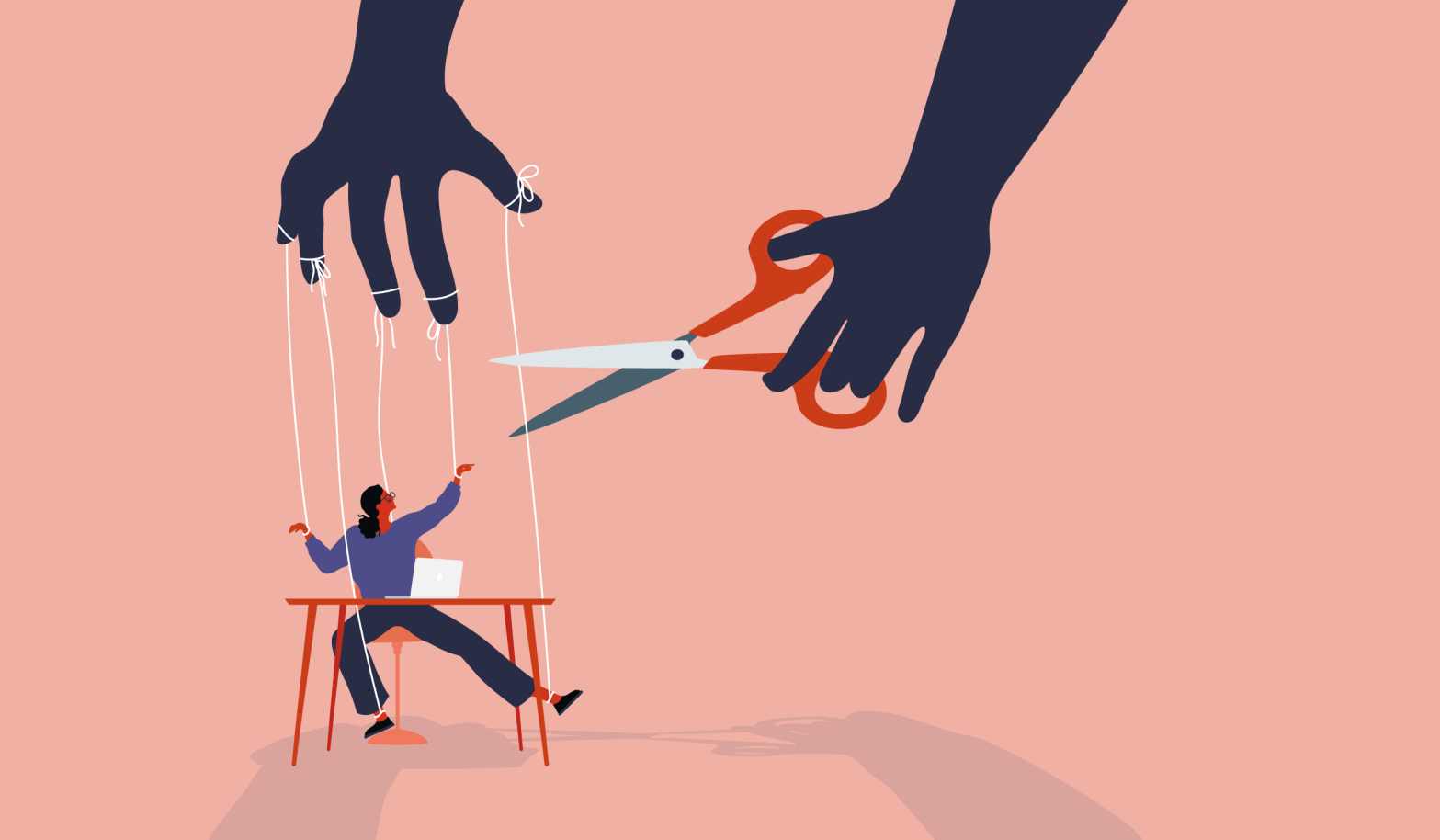
autonomy 3
For me, autonomy is rooted in independence. It is fuelled by the need for freedom. It is framed through integrity.
Our schools do not enable and empower teachers and leaders to be autonomous. Our system conditions us to be compliant. Our society trains us to follow rules, to not be disruptive or rebellious.
Do we fear autonomy? Are we afraid of losing control?
“The 3 things that motivate creative people: autonomy, mastery and purpose”.
Daniel H.Pink 
We go into teaching as our purpose, we deepen our understanding and polish our craft to become masters, as creative beings it is the autonomy or lack of that drives us out.
“Autonomy is different from independence. It means acting with choice”.
Daniel H. Pink 
We enable and empower others, the children we serve, the teams we lead to be independent and to make choices. Being autonomous is also about owning those choices and the consequences that arise.
“Control leads to compliance: autonomy leads to engagement”.
Daniel H. Pink
We seek to self-manage and to self-regulate, we strive to enable others to do the same. When we relinquish control, when we release the need for compliance, autonomy increases and engagement thrives.
“Alignment enables autonomy”.
Henrik Kniberg 
After 18 years of working in the system, I have taken the leap of faith to work independently. I am now truly autonomous. My purpose, my passion and my gifts are in alignment as my intentions, my practice and my autonomy are brought to life – they are working in synergy with one another.
autonomy 4
I know who I am, I know what I want to do and I know what I can do.  I know that I am doing what I am mean to do because I am happy, content, stress-free. I feel purposeful, passionate and fulfilled.
What I didn’t realise when I made that leap of faith was that I had already wings – I had built them over time. As I jumped from the cliff and left security, stability and safety behind me, my wings have enabled me to transform into the autonomous being I have also needed to be. I make informed uncoerced decisions, I am  independent and self-governing. I am empowered in my autonomy.
Autonomy 2

#DailyWritingChallenge Day 84: Reputation

noun. the beliefs or opinions that are generally held about someone or something; a widespread belief that someone or something has a particular characteristic.
Our reputation is formed by what we say about ourselves and by what others say about us. It is the messaging around who we are.
Our reputation is built over time. It is the result of who we are, what we believe in and what we do.
Our reputation is earned.  It is the mirror being held up and the light being shone on who our hard work, our intention, our conviction and our commitment.
“You can’t buy a good reputation: you must earn it”.
Harvey MacKay
Our reputation is the external narrative about us. It is the extension of our internal narrative.
Our reputation is less important than our character. It is who we are inside, what we think and know about ourselves that is more important.
“Worry about your character, not your reputation. Your character is who you are. Your reputation is who people think you are”.
John Wooden
Our reputation is not fixed. It evolves with us as we move through different stages of our personal and professional lives.
62 Best Reputation Quotes images | Quotes, Reputation quotes ...
Our reputation is our integrity. It is how we show up, how we behave and how we interact with others.
Our reputation is fragile. It is easy to damage our reputation – that one time we are late, that we miss a deadline, that we make a bad choice, that we are rude or ignore someone, unfortunately puts a dent in our reputation.
“It takes many good deeds to build a good reputation, and only one bad one to lose it”. Benjamin Franklin
Our reputation is the amplification of everything we do. It needs to be considered and it needs to be nurtured and guarded.
Our reputation is valuable. It is the endorsement of how we communicate about ourselves.
“Take care of your reputation it’s your most valuable asset”.
H Jackson Brown Jnr
Our reputation precedes us.
Our reputation reflects us.
Our reputation follows us.
reputation 1

#DailyWritingChallenge Day 83: Commitment – a blog by Baar Hersi

Growing up I thought about commitment in terms of committing to someone or something, like a marriage or a business partnership. But life has taught me that commitment to oneself is the most important form (act) of commitment. I believe my successes and my growth are rooted in my commitment to honouring the woman I am, the woman I want to be, the woman I deserve to be.

I witnessed and learned about different forms of commitment from my parents. They modelled it through their 50 years marriage, their life choices and the way they are always all-in to finding solutions when faced with challenges as parents, as spouses or even their own personal lives.

Commitment to myself gave me permission to be kind to myself and to learn to pivot to make things work for me. I want to share a moment in my life when that commitment along with blood, sweat and tears got me through to fulfil my new found purpose.

After graduating from university I worked in Human Resources and at that time I thought I found my career path but life or GOD I should say, had a different plan for me. I was lucky enough to find and marry my soul mate earlier on in my life. In fact we have just celebrated our 20th wedding anniversary (Ma Sha Allah). Neither of us can believe it because we still joke about the day my husband came to my parents to ask for my hand in marriage. I still remember how nervous he was and the conversation about whether or not we were sure as we were both so young.

Moving on, we had our first child after three years and quickly fell pregnant again with our second child. I call them my twins although they are 13 months apart. I blame the literature and the health visitor who told me that breastfeeding is a form of contraception. But then again, I believe GOD had a different plan for me and I believe he is the best of planners.

Anyway, due to a number of factors such as high childcare costs and living further away from my family, I chose to take a five years career break to look after my babies. This was an easy decision in some respects but challenging in other ways because I’ve had a job since the age of 15. Thinking back now, I really didn’t give myself much time to process that transition until a lot later because I had two beautiful babies who were dependent on me so I quickly submerged myself into my role as a new mum and I loved it.

Motherhood felt like I was always on a rollercoaster, filled with periods of highs and lows and moments of complete bliss followed by moments of sheer apprehension. Not to mention, the pressures of society’s contradictory expectations of what it means to be a good mother. As well as the constant unsolicited advice, comments and judgements about our parenting decisions.

Nevertheless I found my groove, my confidence and what worked for me and my family. And although, I grew in confidence as a mother, I was left at a career crossroad. I was questioning whether or not I can go back to my old career. This period of my life was filled with reflection, contemplation and a sense of loss. I know I was not the same person but I didn’t know how to use the new sense purpose motherhood gave me to reinvigorate and advance my career.

It took a few years of volunteering, working as a TA and helping out at PTA to identify my new purpose and passion for education.

I have always known the power of education and the thought of contributing to the growth and successes of young people enthused me. I was hooked on the idea of becoming a teacher. I did all the research and found that a GTP (Graduate Training Programme) was the best path into teaching as it offered me the consistency and income I needed as a parent. By the time I got on the course I had my third child, who was under. I know how this decision might sound crazy to some but my kids fuelled my need to succeed. Having a career and doing well had always been important to me but now I was committed to being a role model and providing for my kids.

Starting this journey, I really thought I had an idea of the challenges and obstacles I was going to face during my teacher training but it was far more demanding, testing and taxing than I imagined. No amount of reading, planning or scheduling could have prepared me for the working mother’s guilt, my raging hormones, the sleepless nights and the sheer exhaustion of balancing teacher training with being a mum of three young children under the age of six.

But I refuse to give up and you would understand why if you knew my mum and dad’s story.

So what did I do?

I learnt to adapt, to prioritise, to ask for help and leaned more on my husband and my other support systems. Also, I requested to complete my teacher training on a part time basis which helped dramatically. Then I built a network and a sisterhood with other working mums and sought out allies (including SLT) at work who saw my passion and knew I was an asset to the school. I am grateful to say that I met lots of guardian angels who helped me along the way. .

Make no mistake, this was the most challenging time in my life, there were moments I was barely functional and wanted to quit. Then a parent would say a prayer for me because I helped them and their child. And this kept happening again and again. This gave me the encouragement and conviction to continue because I can see the impact I was making. So I tuned out my negative inner chatter and channeled the prayers, the positive energy and my inner voice telling me to persevere until I secure my QTS. My final observations were outstanding, my mentor (and now friend) was so proud of me that she told the observer that I accomplished this with three young children in tow.

I didn’t do this on my own but I did accomplish this because I committed to myself, to the woman I want to be, to the woman I deserve to be. Becoming a mum has been great for my career path because motherhood awakened innate gifts that I had and sparked my new purpose as an educator which I love and I am very good at.

But this started with commitment to thyself.

Make a commitment to yourself to always talk to yourself showing ...


#DailyWritingChallenge Day 83: Commitment

noun. the state or quality of being dedicated to a cause, activity; an engagement or obligation that restricts freedom of action.
Being committed is a bond. It is a bond to a person, a thing or an idea.
“Without commitment, you cannot have depth in anything, whether it’s a relationship, a business or a hobby”.
Neil Strauss
Being committed is active. It is something we do.
“Commitment is an act, not a word”.
Jean-Paul Sartre  
Being committed is a promise, a pledge that is not broken. It is a non-negotiable.
“There’s a difference between interest and commitment. When you’re interested in doing something, you do it when it’s convenient. When you are committed to something, you accept no excuses, only results”.
Kenneth Blanchard
Being committed is future-focused. It is the act of converting what we think into what we say, what we promise into what we do.
“Commitment unlocks the doors of imagination, allows vision, and gives us the right stuff to turn our dream into reality”.
James Womack 
Being committed is solutions-focused. It is being focused on the goal and navigating the journey around any barriers or obstacles in our way.
“When confronted with a challenge, the committed heart will search for a solution. The undecided heart searches for an escape”.
Andy Andrews    
Being committed is being driven. It is about being all-in, no conditions.
“There are only two options regarding commitment. You’re either in or you’re out. There’s no such thing as a life in-between”.
Pat Riley
Being committed is saying “I will” but actually making what ever you have pledged or promised to happen, actually happen.
commitment 1

#DailyWritingChallenge Day 82: Conviction

noun. a firmly held belief or opinion.
“Belief is not a  matter of choice, but of conviction”.
Anon
We each have our own individual set of beliefs and opinions. Some are fixed, some will evolve. Our belief systems centre around our values, how we have been brought up, who we are and what we care about. 
If you can’t clearly articulate what you believe in I would question how strong that belief is. Your conviction is your why: why you believe, why you care, why you will defend your belief.
“Belief is knowing what you believe, conviction is knowing why you believe it”.
Josh McDowell
An opinion and a conviction are different and have a different pull in our hearts, in our guts.
An opinion is something you believe in, something not everyone will agree with, sometimes we will “agree to disagree” on a difference of opinion or on a different perspective on a situation.
“An opinion is a belief that you hold. A conviction is a belief that holds you.
Few would be willing to give up their lives for an opinion, but many have tied to stay true to their convictions”.
Michael Youssef
A conviction has a stronger pull than an opinion, it is something you will not let go of, something you will not compromise on, something that your integrity will not let you settle on.  
Our conviction compels us to speak out, to stand up, to do something.
Our conviction is the line in the sand, the non-negotiable, the burning platform we will stand on.
“Conviction is not merely an opinion. It is something rooted so deeply in the conscience that to change a conviction would be to change the very essence of who you are”.
Ravi Zacharias  
Having conviction in what you believe, in what you say and in what you do requires you to dig deep. What you believe in your heart, will not always bring alignment and agreement from others. We need to be prepared for the challenge and the criticism.
To have conviction we need strength.
To have conviction we need resilience.
To have conviction we need courage.
“You don’t change the world with the ideas in your mind, but with the conviction in your heart”.
Bryan Stevenson 
When we are driven by our convictions, we are driven by our heart. We know and we feel it is the right thing. Our convictions need acting on. Our convictions will make things happen as a consequence of our belief.
Conviction needs action.
Conviction brings change.
Conviction creates hope.
“Change arises from conviction. Stop voting in fear. Start voting in hope”.
George Monbiot

Our convictions are the lens through which we see and understand the world. They shape what we understand, what we do and what we stand for.

We are convinced by our convictions.

We are committed to our convictions.

We are rooted in our convictions.

“Conviction is a force multiplier. If you want something, claim it in your gut.

The universe itself responds to your inner certainty”.

Marianne Williamson 

When we are certain in who we are, in what we believe, in our convictions – we have the confidence and the courage to carry on, in pursuit of our mission. It is not always easy, but the strong belief and the deep rooted conviction in our conscience give us the strength and the resilience to continue, to take that leap of faith.
Why You Must Have Conviction In Yourself - Chris Hart - Medium

#DailyWritingChallenge Day 81: Intention

noun. a thing intended – an aim or plan; the healing process of a wound.
Intention is a mental state that represents a commitment to carrying out an action or actions in the future. Intention involves mental activities such as planning and forethought.
Intention and action go hand in hand. Intention without action, is passive. Intention with action, is purposeful. Having an intention is not enough, it is what you do with it that matters.
I get frustrated with the phrase “they had good intentions”. I feel like this is often used as an excuse. I don’t think many people have “bad intentions”. There are just intentions. Having “your heart in the right place” is all well and good, but it does not bring results.
“Intention good or bad, is not enough”.
John Steinbeck 
There are a lot of people who intend to do a lot of things. How many times have you heard people say they will start exercising, they will lose weight, they will stop smoking, they will be tidier, they will get a new job. They may be things they want to do, and in their heads they intend to do them, but without a plan, without preparation, without commitment to action, intent is not enough.
“It’s not intentions that matter. It’s actions.
We are what we say, not what we intend to do”. 
For me it is the difference between those who dream and those who do. Those who graft bring their intentions to fruition. They give their intentions life.
Some people spend more time talking about their intentions, than they do, making their intentions happen. Intentions need resource – time, energy and commitment. Intentions need passion and purpose.
“Every morning you have two choices: to continue to sleep with your dreams.
Or wake up and chase them”. 
To have intentions is not enough. To be intentional makes our intentions active. 
We need to start with our why and be clear what our intentions are.  We need to then carefully plan our intentions, we need to know how to realise them. We need to think them through and think them out. We need to know what they will look and feel like when we accomplish them.
Sometimes we will not know the answers, we will need to build the bridge as we walk towards them, but each step we will get closer to making them happen.
There are a lot of intentions in the world right now. We need to be strategic in our intent. Whether it is the recovery curriculum, the talent management crisis, the mental health crisis or the diversity and agenda that you care about, that you have intentions for, you need to have a plan and you need to prepare.
“Great intentions become tragic action when delivered without careful thought”. Michael Dooley 
We need to be contextually literate. We need to consider the cause and the effect of the situation. We need to be clear on our desired outcomes. We need to be mindful of the circumstances.
Strategic intent requires a compelling vision, a statement about where an individual or an organisation is going that succinctly conveys a sense of what will be achieved in the long term. Our strategic intent captures our aspirational plans, our overarching purpose and our intended direction of travel needed to reach our vision.


#DailyWritingChallenge Day 71: Balance – a blog by Liz Cartledge

Life is all about balance. Balancing your work-life balance, eating a balanced diet, being balanced in your views and as a leader for me, weighing things up to make a balanced decision is part of everyday life.

Lots of relationships in people’s lives are balanced too, you’ll hear people saying “You make a good team, you really balance each other.” Whether you find this in your personal relationships or at work, it’s something to hold onto for sure. Professionally, I know this from experience and feel lucky to have found this in my current post. I am lucky to work with an amazing leader and I hope we provide the balance for all those we lead.

When things do not balance it leaves us considering what could be and can lead to us being unhappy. Throughout life we have to make decision to balance things. I think when we can do this it really makes a difference to a mental well-being.

Having just become a Mum I am returning to work after almost a year of maternity leave. Of course, I am aware how difficult life as a working Mum will be, but I have decided to return to work in order to get the balance right for me and my family. I think for me, it will make me a better Mum as it will give me a balance of caring for my daughters and being a teacher. Before becoming a Mum, I was a teacher for 18 years. Of course, nothing worth its weight in gold comes easy in life and this is definitely a good example of this. I have yet to find a fellow colleague who says it’s easy being a working Mum, but I do speak to several working Mum’s who say it gives them a balance, the balance they need. I can empathise with this and that’s what I am aspiring to achieve.

I also feel that returning to work part-time as a senior leader will give me a balance of work and home which I hope will make me more reflective about both my work at school and work as a Mum. It will give me time to step back, step out of the building to think. I am going to maintain my Mum work day solely for being a Mum, in order to keep the balance well and truly alive. I think without this self-discipline it’s impossible to get the balance I am looking for.

Only this morning as I was out running did I realise that another benefit of having this balance of work and mum work as I like to call it, I will be able to truly say I can empathise with fellow colleagues who work part-time. In an era where schools and organisations are encouraged to look for flexible working patterns for employees; and particularly women who return after maternity leave, I feel this is incredibly valuable for me to experience. One day, perhaps if I choose to become a Headteacher, I can truly empathise about the benefits of working part-time as a Senior Leader. The best Headteachers I have worked with have always been the ones who have ‘been there, done it, got the t-shirt’ ones and I want to be able to say I can understand how it can work so that I too can ensure I can offer such flexible working contracts to keep staff and families happy, which after all is what all emotionally intelligent leaders do. This quote sums-up my aspiration:

Balance 4